
The Hidden Earnings Window Most Options Traders Completely Ignore
🚨 Profit Panel is live at 9:30 a.m. ET🚨
We’re dissecting SpaceX’s massive 92% revenue jump, breaking down 3 stocks setting up for technical bounces, and revealing which airline stocks I like the most in this market [tap to join us for Profit Panel]
Earnings season creates one of my favorite little inefficiencies…
After a big report drops and the stock pops or drops, everyone scrambles to get positioned. Options are expensive. Volatility is running hot. And that’s exactly when I do the opposite — I wait.
Let me show you why giving the noise time to settle can save you real money on every contract.
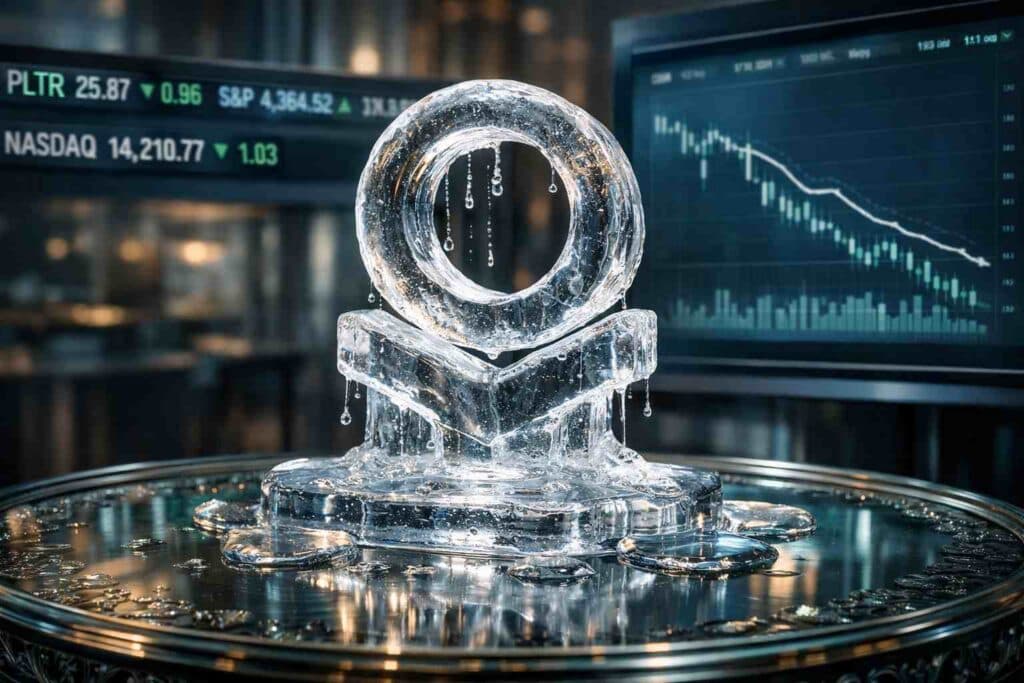
The Volatility Crush Is Your Friend
Take Palantir (PLTR) as an example. After earnings hit, PLTR ran near $163, putting it around near-term resistance at $162 to $163.
If you bought calls as soon as the market opened, you likely paid up. Implied volatility was still elevated because uncertainty surrounding the earnings event had been priced into the contracts.
Implied volatility is a key part of an option’s premium.
When traders expect a larger move, they’re willing to pay more for options. Once earnings are out and the market begins digesting the results, some of that uncertainty disappears.
Implied volatility can fall, pulling premium out of both calls and puts even if the stock hasn’t moved much.
That’s the volatility crush working in your favor. As we approach the end of the day and volatility sorts itself out, those same options can become meaningfully cheaper.
The stock’s movement, time to expiration and other pricing factors still matter, so a lower premium isn’t guaranteed. But waiting can help you avoid paying the peak event premium.
How I Use This Window
My process is simple. After a company reports and its stock makes a move, I don’t chase. I watch the chart, mark my levels and compare option prices as the session progresses.
For PLTR, I’m watching calls around the $163 resistance zone, where buyers need to prove themselves. I also monitor flow tools such as my Alpha Flow Dashboard to see whether traders are continuing to target PLTR calls.
Options flow doesn’t replace chart analysis, but it can help confirm where activity is building and which strikes or expirations deserve a closer look.
Then I check the option chain for changes in implied volatility, premium, volume and open interest.
I want to see whether volatility is settling before I enter — not simply assume that a lower stock price means a better contract price.
This isn’t about catching the absolute low. It’s about recognizing that the first few hours after earnings can be an expensive time to enter.
If the stock is going to continue its run, waiting a few hours may not ruin the trade. But saving 10%, 15% or even 20% on the premium can improve your breakeven and reduce your risk.
Next earnings season, watch the move, track the flow and let volatility settle. Make the crush work for you instead of against you.
To better trading,
Alex Reid
WealthPin
Follow along and join the conversation for real-time analysis, trade ideas, market insights and more!
- Telegram: https://t.me/+MKMN30kDmVkwMDdh
- YouTube: http://www.youtube.com/@heywealthpin
Important Note: No one from the WealthPin team will ever contact you directly on Telegram.
*This is for informational and educational purposes only. There is inherent risk in trading, so trade at your own risk.
P.S. Want Free Access To Oracle?
Insiders have moved their sneaky bets to the prediction markets…
Oracle helps track those bets and finds the stocks that could explode because of them!
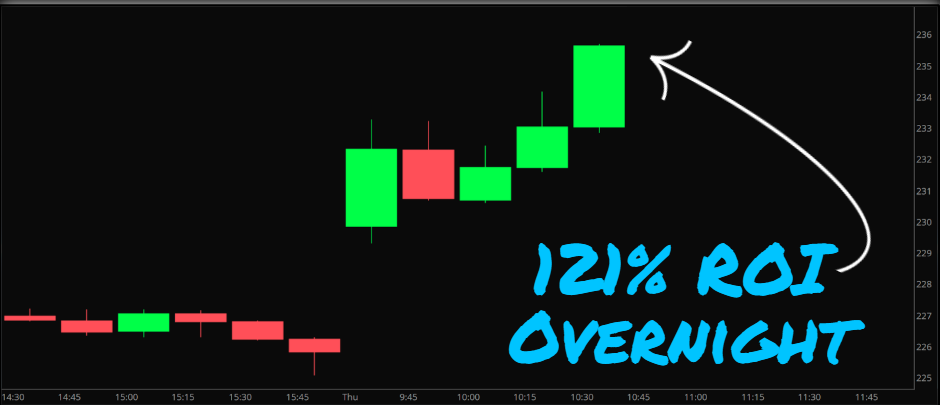
Disclaimer: The trades expressed are based on signals from Oracle in real time. While we have been using this tool with great success in our own trading including an 85.57% win rate, a 28% average return of winners and losers over a 4-day average hold time, and a profit factor of 5.94 on real money trades between 5/7/26 and 7/17/26, there’s bound to be winners and losers along the way. Since Oracle is a tool for traders and not a trading service, profits and performance will vary among users. Trade at your own risk. See our Terms on the homepage for more information.