
The Geopolitical Premium Everyone’s Underestimating Right Now
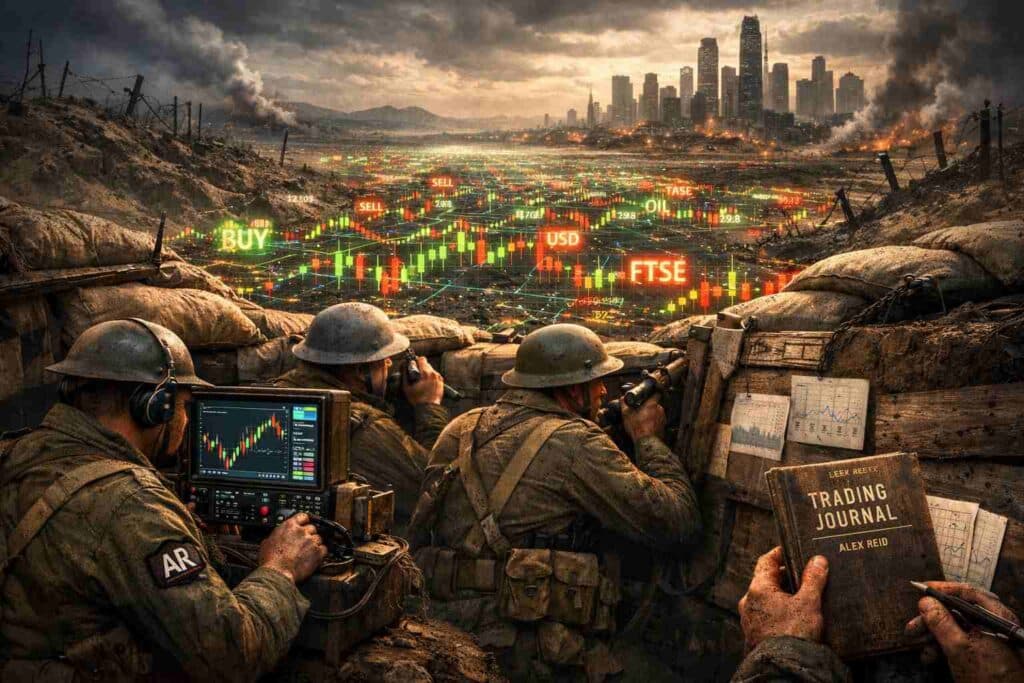
🚨 Profit Panel is live at 9:30 a.m. ET🚨
Is software about to keep its run going? Today, we’re dissecting the weekend war news — plus, the 1 sector Blake wouldn’t touch with a 10-foot pole [tap to join us for Profit Panel]
Here’s something that doesn’t get enough airtime in our daily market discussions: Wars are a lot harder to exit than they are to enter.
I’ve been thinking about this as I watch the Middle East conflict unfold — and more importantly, as I position my portfolio for what comes next.
Most people I talk to seem to think the Iran war will wrap up soon. When I asked my audience what chance they’d give the conflict ending this year, answers ranged from 0% to 90%.
My view? I’m on the pessimistic side. I don’t think this war will end anytime soon, and history backs me up.
The Pattern We Keep Ignoring
Look at 1914. Many people thought World War I would be a quick march, a decisive victory and home by Christmas. If you haven’t read The Guns of August, it’s a great account of that miscalculation.
The war instead dragged on for years and proved far harder to exit than anyone imagined.
We saw the same pattern with Iraq, Afghanistan and Vietnam. Each initial commitment seemed manageable. The extraction was brutal and protracted.
There’s a deeper structural issue at play. The farther you expand, the more you have to keep expanding. Every new border creates new risks. You can’t simply win once and call it done.
How I’m Trading the Uncertainty
This isn’t an academic history lesson. I think we have more chaos ahead, which means energy risk isn’t going anywhere. The geopolitical premium in oil may not be a short-term blip traders can safely fade.
About 170 million barrels have been drained from the Strategic Petroleum Reserve. That reduced cushion matters.
If supply is disrupted or tensions escalate, policymakers have less flexibility to stabilize the market, increasing the risk of sharper oil moves and broader inflationary pressure.
Energy exposure still makes sense to me, but it doesn’t have to be the only opportunity. Software was one of the market’s most beaten-down sectors, and that weakness has created selective setups.
Pairing energy exposure with high-quality software opportunities can provide a counterbalance rather than tying an entire portfolio to one geopolitical outcome.
I’m also staying agile. In this environment, day trades and one-day holds have often worked better than making large, long-duration bets. Shorter holding periods can reduce overnight exposure when one headline can suddenly reverse the market.
Prediction markets are another useful signal. They can reveal how informed participants are pricing geopolitical outcomes before those expectations appear in conventional commentary. I wouldn’t follow them blindly, but unusual shifts in probabilities can help traders identify where money and conviction are moving.
None of this means I want the conflict to continue — I don’t. But the market may be underestimating how long resolution will take. I’d rather diversify, manage duration and position for reality than hope.
History doesn’t repeat, but it sure does rhyme. Right now, the rhyme scheme looks awfully familiar.
To better trading,
Alex Reid
WealthPin
Follow along and join the conversation for real-time analysis, trade ideas, market insights and more!
- Telegram: https://t.me/+MKMN30kDmVkwMDdh
- YouTube: http://www.youtube.com/@heywealthpin
Important Note: No one from the WealthPin team will ever contact you directly on Telegram.
*This is for informational and educational purposes only. There is inherent risk in trading, so trade at your own risk.
P.S. Want Free Access To Oracle?
Insiders have moved their sneaky bets to the prediction markets…
Oracle helps track those bets and finds the stocks that could explode because of them!
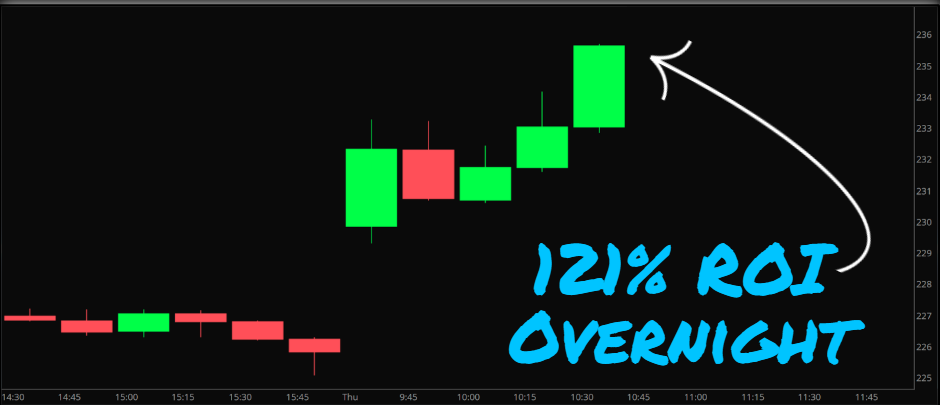
Disclaimer: The trades expressed are based on signals from Oracle in real time. While we have been using this tool with great success in our own trading including an 85.57% win rate, a 28% average return of winners and losers over a 4-day average hold time, and a profit factor of 5.94 on real money trades between 5/7/26 and 7/17/26, there’s bound to be winners and losers along the way. Since Oracle is a tool for traders and not a trading service, profits and performance will vary among users. Trade at your own risk. See our Terms on the homepage for more information.