
The Gap Problem Killing Clean Entries in Steady Blue Chips Right Now

🚨 Profit Panel is live at 9:30 a.m. ET🚨
[tap to join us for Profit Panel]
I’ve got to level with you: The market’s been handing out gaps like candy lately, and it’s making clean entries tough.
Big gaps down one day, sharp reversals the next — all inside the same narrow channel. The market keeps absorbing outside shocks, from tensions in the Middle East to bond vigilantes pushing yields higher.
When the news changes overnight, even a promising recovery into the close can disappear by the next open.
The problem isn’t just that the gaps are big. They’re happening in steady, reliable companies that normally give you time to think.
One day, key parts of the economy gap down 2%. The next, they reverse because the sell-off was overdone.
That makes timing brutal, especially with puts. You might be right about the direction, but the minute bullish news hits, everything reverses and your setup evaporates.
What the Gaps Are Telling Us
The Russell 2000 Index (RUT) has been moving back toward some of its moving averages for the first time since July.
That’s not nothing, but the path down has been choppy rather than clean.
The weakness isn’t evenly distributed, either. The Nasdaq 100 Index (NDX; QQQ) can get hammered right after making new all-time highs, while Financials (XLF) react to rising yields and changing expectations for interest rates.
Those sector-level moves can pull the broader indexes in different directions, creating even more gaps and uncertainty.
Even Energy (XLE) — which should be straightforward — has been difficult. Oil-related names can gap higher and then sell off because the story involves more than crude supply.
You can produce all the oil you want, but it still has to be refined. Refinery capacity, transportation constraints and shifting demand can all disrupt what looks like an obvious trade.
There are very few setups with normal, continuous price action — the kind where you can mark a level, wait for the test and make a clean decision.
Instead, prices are jumping between levels overnight. By the time you adjust, the tape has already moved again.
How I’m Handling It
When the market acts this strange, I tighten up and play it close to the chest.
That means smaller positions, faster exits and more patience. I’m not forcing trades just because I want to be in the game.
If a gap takes away my setup, I step aside and wait for the next one.
I’m also watching the close more carefully. A strong late-day recovery can look like the start of a bounce, but geopolitical headlines or a sudden move in yields can erase that strength before the opening bell.
The lesson is simple: In a gap-heavy environment, even a strong close doesn’t guarantee follow-through.
Stay flexible and manage risk like the market could flip at any moment — because it can.
If you’re feeling whipsawed, you’re not alone. Sometimes the best trade is the one you don’t take.
Let the noise clear and wait for a setup that doesn’t require you to guess what happens overnight.
To better trading,
Alex Reid
WealthPin
Follow along and join the conversation for real-time analysis, trade ideas, market insights and more!
- Telegram: https://t.me/+MKMN30kDmVkwMDdh
- YouTube: http://www.youtube.com/@heywealthpin
Important Note: No one from the WealthPin team will ever contact you directly on Telegram.
*This is for informational and educational purposes only. There is inherent risk in trading, so trade at your own risk.
P.S. REVEALED: The source of Q4’s most lucrative trade opportunities
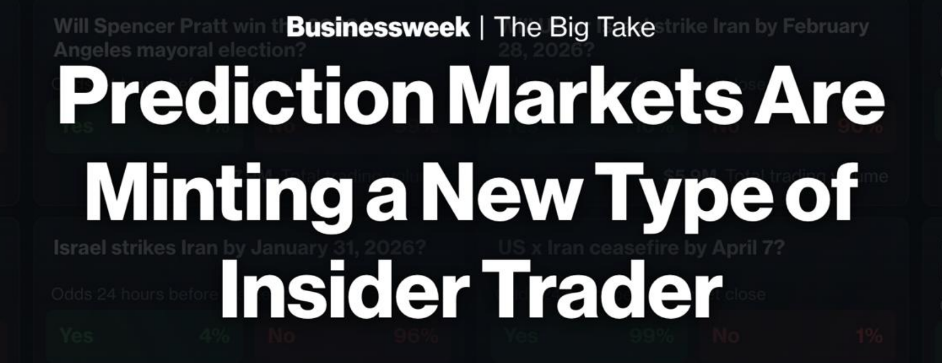
I’ve been tracking an entirely different kind of insider activity that doesn’t take place on the stock, options, or even crypto market.
Yet it’s become a safe haven forward the biggest insiders and is primed to produce the biggest trading opportunities of the next 10 weeks.
Disclaimer: We develop tools and strategies to the best of our ability but no one can guarantee the future. There is always a risk of loss when trading. Past Performance is not indicative of future results. What you will see today are some of the best examples from the public trades that utilizes the Oracle trading tool. From 5/26 through 8/26 the win rate was 85.4% with a 42% average winner and 28% average net return of winners and losers over a 3 day average hold time. Since this is a tool for traders and not a trading service, profits and performance will vary among users.